
Chemical Peel
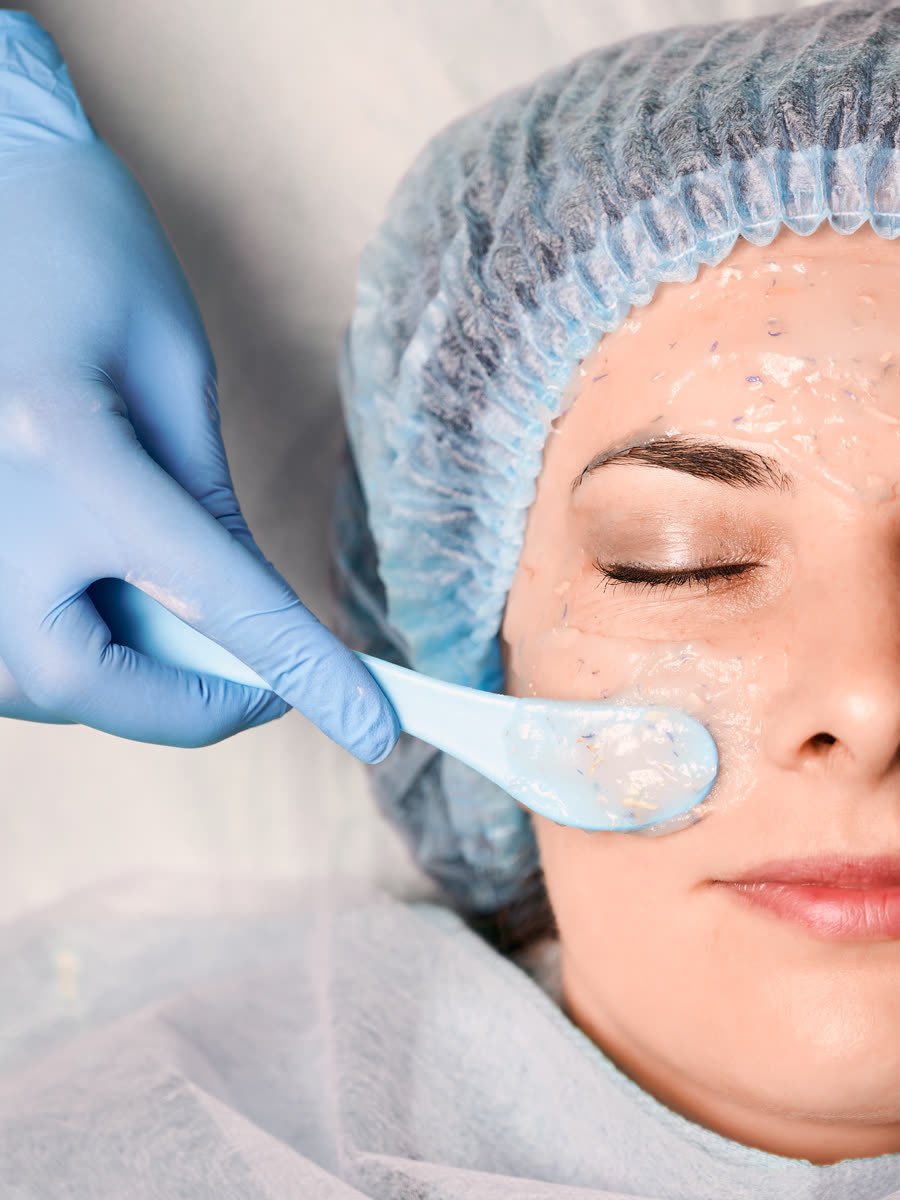
A chemical peel is a dermatological procedure that uses acids to promote a controlled renewal of the skin. Applied at the right concentration and depth, the substance stimulates the turnover of the most superficial cells and the production of new skin that is more even and luminous.
The most commonly used acids are salicylic, glycolic, retinoic, and mandelic, and the choice depends on your goal and your skin type. Because it is a medical procedure, the dermatologist is the one who defines the acid, the concentration, and the number of sessions best suited to your case.
Controlled renewal, tailored to your skin
The dermatologist applies the chosen acid to clean skin in an even layer and leaves it on for the time needed to achieve the desired effect. During the application, it is common to feel a mild, passing stinging or warmth. Each skin color and each goal calls for a different protocol, which is why a medical evaluation is essential to choose the right acid and avoid risks, especially in skin prone to dark spots, such as with melasma.
Superficial peel
It acts on the outermost layers of the skin. It is the gentlest option, indicated for radiance, oiliness control, mild acne, and maintenance, with a quick return to your routine.
Medium-depth peel
It reaches slightly deeper layers and is indicated for stubborn spots, acne marks, and a more intense renewal, with a slightly longer recovery.
A tailored acid
Salicylic, glycolic, retinoic, or mandelic: the choice of acid and concentration depends on your goal and your skin type.
A medical procedure
Performed by dermatologists, in many cases combined with home care and photoprotection to enhance and preserve the result.
What a peel can do for your skin
- Helps lighten dark spots and even out skin tone.
- Improves texture, leaving the skin smoother and more radiant.
- Helps control oiliness and manage acne.
- Stimulates cell renewal, softening marks and a tired appearance.
- Outpatient procedure, done in the office, with no hospitalization.
- Performed by dermatologists, with an individual evaluation and a tailored protocol.
A gradual result, with realistic expectations
A chemical peel usually leaves the skin more even, soft, and luminous, but the result is gradual and built over a series of sessions. With superficial peels, flaking may be subtle, almost unnoticeable. With medium-depth peels, the skin flakes more visibly for a few days before revealing the renewal.
Conditions such as melasma and some forms of acne call for ongoing follow-up, because the goal is consistent control and improvement, not a one-time solution. During your evaluation, we explain honestly what can be achieved, how many sessions are likely to be needed, and how the skin behaves at each stage.
Care after a peel
Care after a peel is as important as the application itself and makes all the difference in the result. We guide you through each step, but in general: strict sun protection is essential, reapplied throughout the day, because freshly renewed skin is more sensitive to light and more prone to spots; constant hydration for comfort and a good recovery; do not pull, rub, or peel off skin that is coming loose, and let the flaking happen in its own time; and avoid direct sun, intense heat, and at-home acids or exfoliants until you have medical clearance.
This care protects the result and helps the skin recover in a healthy way. If your goal is to lighten dark spots, it also helps to understand the routine of photoprotection and daily care, which we cover in our content on dark spot lightening.
Common questions
Does a chemical peel hurt?
During the application, it is common to feel a passing stinging or warmth, which is usually well tolerated. The intensity depends on the type of acid and the depth, and everything is done with your comfort in mind.
How many sessions will I need?
It varies with the goal and the skin type. Superficial peels are usually done in a series of sessions, a few weeks apart. We define your plan during the evaluation.
Does the skin flake a lot?
It depends on the depth. With a superficial peel, flaking may be subtle. With a medium-depth peel, it is more visible for a few days. We explain how to care for your skin in each case.
Can I have a peel if I have melasma?
Yes, in many cases, but with caution and a specific protocol, because skin with melasma tends to develop dark spots. The choice of acid and concentration is individual and always made by a physician.
When can I return to my routine and to the sun?
Returning to your routine is usually quick with superficial peels. Sun exposure should be avoided and strict sun protection is required in all cases, with clearance given during your evaluation.
Renewing the skin safely
In the video, Dr. Murilo Drummond explains why the chemical peel remains a classic for skin renewal, what a session is like, and what to expect from recovery.
Chemical peel in Barra da Tijuca and Ipanema
Chemical peels are available at both Drummond Dermato locations in Rio de Janeiro. In Barra da Tijuca, the clinic is at Av. das Américas, 3200, sala 112. In Ipanema, at Rua Visconde de Pirajá, 540, sala 314. At both, the treatment is performed by dermatologists from our team, after a consultation that evaluates the skin and defines the protocol.
Where to get a chemical peel in Rio de Janeiro?
At Drummond Dermato, in Barra da Tijuca or Ipanema. Book your consultation via WhatsApp and choose the location closest to you.
Renew your skin safely, with medical follow-up
Consultation in Ipanema or Barra da Tijuca, via WhatsApp (21) 99804-6902.
Book via WhatsApp